
Most people think the hard part is over once the water is gone. The cleanup crew has been through, the wet carpet is out, maybe a few fans ran for a couple of days, and things look dry. What doesn’t get talked about nearly enough is what happens to the air inside that home in the weeks and months that follow, because water damage and indoor air quality are connected in ways that aren’t always obvious until symptoms start showing up.
This comes up a lot in older communities across Hamilton, Burlington, Oakville, and the GTA, where basement flooding after heavy rain is a fairly regular occurrence in certain neighbourhoods. The homes dry out on the surface, life goes back to normal, and then six weeks later someone’s dealing with allergy symptoms they can’t explain or a musty smell that keeps coming back no matter how many candles they burn.
Why Water Damage Doesn’t End When the Water Leaves
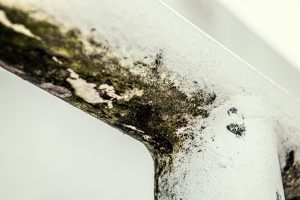
Water has a way of getting into places that don’t dry out easily, behind drywall, under subfloor materials, inside wall cavities, above ceiling tiles. These are exactly the spots where mold takes hold, typically within 24 to 48 hours in the right conditions. By the time mold is visible on a surface, it’s usually been growing for a while already in spots nobody thought to check.
What makes this particularly relevant from an indoor air quality standpoint is that mold releases spores into the air continuously as it grows. Those spores circulate through the home’s ventilation system, settle on surfaces, and get breathed in by everyone living there. You don’t need to see mold or smell it strongly for it to be affecting the air quality in your home, elevated spore counts in the air can show up well before any visible growth appears.
This is exactly why mold and air quality testing after water damage is more useful than a visual check alone. A mold inspection after water damage combined with indoor air quality testing gives a complete picture, not just whether mold is growing somewhere visually accessible, but what’s actually circulating in the air throughout the home.
The Specific Air Quality Problems That Follow Water Events
Beyond mold, water damage creates a few other indoor air quality issues worth understanding.
Humidity that lingers longer than expected.
Even after visible water is removed, moisture trapped in building materials keeps releasing into the air. Elevated indoor humidity creates conditions where mold thrives, but it also makes the air feel heavier, affects sleep quality, and can worsen respiratory symptoms for people with asthma or sensitivities. Residential air quality testing Hamilton and GTA homeowners request after flooding often picks up humidity levels that are still significantly elevated weeks after the initial event.
VOCs from drying materials and remediation products.
Adhesives, sealants, and cleaning products used during remediation work release VOCs into a space that may not have great ventilation during or after the work. VOC testing after a water damage event occasionally catches elevated levels that have nothing to do with the original water itself, they come from what was used to fix the problem.
Disturbed materials from older homes.
This is the one people think about least. When water damage affects a home built before the early 1990s and remediation work involves cutting into walls, pulling up flooring, or removing ceiling tiles, there’s a real possibility of disturbing asbestos-containing materials. Home environmental testing Hamilton and surrounding area residents request sometimes turns into a more involved conversation once we learn a property had recent flood damage and renovation work in the same areas. Asbestos testing before that kind of work begins, or as part of damage assessment, matters more than most people realise going in.
What a Proper Post-Flood Air Quality Assessment Covers
A thorough indoor air quality inspection after water damage isn’t a single test, it’s a combination of assessments that together give you a reliable picture of what’s happening in the home.
Mold air testing involves collecting air samples from affected areas and comparing spore counts to baseline levels, typically outdoor air or an unaffected part of the home. This identifies whether mold is present in the air even before it’s visible anywhere, and it identifies which types of spores are elevated, useful information for understanding both the risk level and the likely source.
Moisture readings throughout the affected areas help identify where water is still present inside building materials, which points to where mold growth is most likely to develop if it hasn’t already. This part of the process is something a visual check alone consistently misses.
VOC assessment covers the chemical side of air quality, checking whether off-gassing from damaged materials or remediation products is contributing to air quality issues beyond what the mold situation alone would explain.
For older properties, a conversation about whether asbestos-containing materials were disturbed during the water event or subsequent repairs is worth having before assuming the environmental picture is complete.
When Symptoms Are the Prompt
A lot of homeowners who contact us about home air quality testing Hamilton or the wider GTA aren’t necessarily connecting their symptoms to the flood that happened two months ago. They’re noticing headaches, fatigue, persistent congestion, or allergy-like symptoms that don’t respond to the usual approaches, and they’ve started wondering whether their home environment is the cause.
The connection between water damage history and ongoing air quality issues is one of the more common things we find when working through what’s behind unexplained indoor symptoms. It’s not always the answer, but it’s a frequent enough cause that any home with a recent history of water damage is worth considering as a possible source when symptoms don’t have an obvious explanation.
Residential indoor air quality testing in these situations gives actual data to work from rather than guesswork. Sometimes the results come back clear and the search continues elsewhere. More often than not when there’s been significant water damage involved, testing finds something worth addressing, either elevated mold spore counts, lingering moisture in materials, or both.
The Takeaway for Hamilton and GTA Homeowners
If your home has had any water damage, whether it was a slow leak that went unnoticed for a while, a basement flood during a storm, or a burst pipe that was cleaned up quickly, getting a proper indoor air quality assessment and mold inspection done before assuming everything is fine is one of the more practical things you can do for your household’s health.
The visible part of water damage is usually the part that gets attention. It’s the invisible part, what’s happening in the air, inside the walls, and above the ceilings, that tends to be where the longer-term issues come from.
FAQs
How soon after water damage should air quality testing happen?
As soon as possible, mold can begin developing within 24 to 48 hours, so earlier testing gives a clearer picture of what’s developing before it spreads further.
Can mold affect air quality even before it’s visible?
Yes, mold releases spores into the air continuously as it grows, often well before any visible growth appears on surfaces.
Does home insurance cover environmental testing after water damage?
It depends on your policy and the cause of the water damage, worth checking with your insurer directly before assuming either way.
What’s the difference between mold inspection and indoor air quality testing? Mold inspection focuses on identifying visible growth and moisture sources, while air quality testing measures what’s actually circulating in the air, including spore counts in rooms that look unaffected.
Should I test for asbestos if my older home had flood damage and repairs?
Yes, if remediation work involved cutting into walls, floors, or ceilings in a home built before the early 1990s, disturbing those materials can release asbestos fibers if they were present.
How long does elevated humidity last after flooding?
It varies depending on how much water entered and how the drying was handled, but moisture trapped in building materials can keep raising indoor humidity levels for weeks after visible water is removed.
Can VOC levels increase after water damage remediation?
Yes, cleaning products, sealants, and adhesives used during repairs can temporarily elevate VOC levels, particularly in spaces with limited ventilation.
Is a musty smell always a sign of mold?
A persistent musty smell is one of the most common indicators of mold growth somewhere in the home, though air testing is the only reliable way to confirm it and identify where the source is.